More on Authors of Supernatural Fiction
Back in February, I was blogging about some of the expressed preferences of authors of supernatural fiction books in terms… Read More »More on Authors of Supernatural Fiction
Back in February, I was blogging about some of the expressed preferences of authors of supernatural fiction books in terms… Read More »More on Authors of Supernatural Fiction
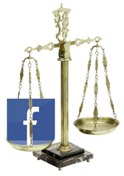 Let’s say you’re the plaintiff in a civil case against a neighbor, an employer, or a company you’ve done business with. And let’s say that you have a Facebook account. The other side believes that some of your Facebook communications might be relevant to the case, so they specifically request access to your account. You refuse, and the issue goes to the court to sort out. How should the court rule? Specifically, what should the court order you to do? Do you have to give the password for your account over to a party that, to put it mildly, you are probably not on the best of terms with?
Surprisingly, at least one court has said yes, and I believe similar requests are being made in courts all around the country. I believe this is a deeply disturbing development and is the result of either a failure to understand social networking technology, the rules of civil procedure, or both.
Read More »Can You Be Forced to Turn Over Your Social Network Passwords in a Civil Case?Some time back, I planned to post a short review of Bobbi Kwall’s recent book, The Soul of Creativity. The book summarizes a lot of recent thinking (including her own) about the law of moral rights and copyright and offers a new framework for adapting US copyright to international moral rights norms. But Jacqui Lipton beat me to it, and I’ve had to wait for an opportunity to post something distinctive about the book — and about what bothered me about it, despite its abundant strengths.
Read More »Moral Rights, Endowment Effects, and Things in CopyrightThe NYTimes offers this excellent account of an exhibit that opened recently at a gallery at Carnegie Mellon University: “Whatever… Read More »User-Generated Curation: the Pittsburgh Edition
That is the title of this article, which does a great job of laying out the pitfalls of what Jonathan… Read More »“Android Is As Open As The Clenched Fist I’d Like To Punch The Carriers With”