
Film Recommendation: Whiz Kids
I just saw a screening of the film “Whiz Kids,” which was a wonderful tour of the lives of three… Read More »Film Recommendation: Whiz Kids
I just saw a screening of the film “Whiz Kids,” which was a wonderful tour of the lives of three… Read More »Film Recommendation: Whiz Kids
“I don’t want to achieve immortality through my work,’ Woody Allen said, “I want to achieve it through not dying.”… Read More »Nobody Expects the Singularity
I have recently noticed that my iPhone, once slow, is downright glacial post-mass-iPad adoption in the greater NYC area. Daniel… Read More »Is it Just Me, or is the Internet Slowing Down?
Given the recent series of posts on the effects of technology on the brain, I thought I might share a little neuroscholarship. As Geert Lovink writes, “the neurological turn in recent web criticism exploits the obsession with anything related to the mind, brain and consciousness,” and I haven’t been immune. My recent foray into bioethics, Cognition-Enhancing Drugs: Can We Say No?, makes the case that the drugs we call “cognition-enhancing” may actually just be creating new cognitive skills that make us better suited for some activities and less well adapted for others. It’s wrong to see either a positive advance or a deterioration in ability as such.
Could the same be said about internet use generally–or particular Web 2.0 technologies that are reshaping social life? I think so, if only because new many internet technologies aim to give (an illusion of) complete awareness of various fields (of friends, news stories, search terms, tweets (see TweetDeck), etc.). That elision between mastery and a sense of mastery is one key to understanding their appeal.
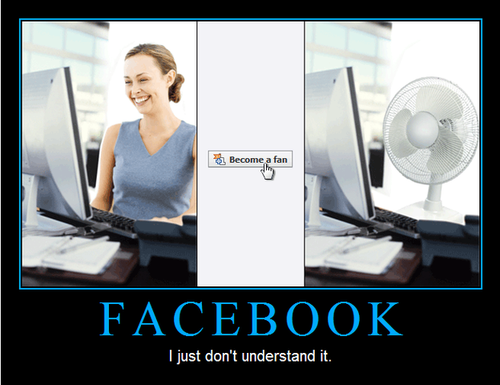
Increasingly competitive environments demand that individuals cultivate ever-larger networks and connectivity. Belief in the likely success of the endeavor is essential motivation for continuing it. If people feel overwhelmed by a surfeit of cyberstimuli (or scholarship), drugs are developing that can give them (a sense of) increased mastery. The military appears to be at the cutting edge here:
Read More »Fast, Ruthless, and Under Control
Glenn Greenwald has recently criticized Mike McConnell for outsourcing internet surveillance to corporations. As Greenwald relates, McConnell “went from being… Read More »Samiz-data: Does an Open Internet Need to be Out of Control?