Are You Being Evaluated Fairly?
Danielle Citron is giving a talk today at Harvard’s Berkman Center on “Open Code Governance”–the growing movement to render automated… Read More »Are You Being Evaluated Fairly?
Danielle Citron is giving a talk today at Harvard’s Berkman Center on “Open Code Governance”–the growing movement to render automated… Read More »Are You Being Evaluated Fairly?
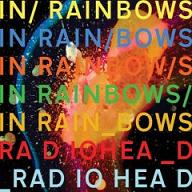 So Radiohead’s album In Rainbows debuted at number one on the U.S. charts (somehow I still hear Casey Kasem saying “And now for our number oneâ€). The album sold 122,000 copies. Some point out that this number “falls well short of Radiohead’s 2003 album Hail To The Thief, which made its debut in the US album chart at number three with first week sales of 300,000 – a career best for the band.†AH but wait, don’t order yet! There’s more to the story. As Wired reports (note IE seems to crash with the link; use Firefox as perhaps that is better anyway) the band has earned $3 million from the download sales and Radiohead owns the master which means it can and did license the sales on CD. (Most interesting is that the album is no longer available for download from the In Rainbows site yet is available at Amazon for a download price that equals the CD price. The label probably required that change).
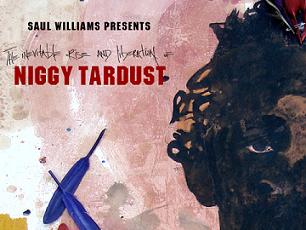 In contrast Trent Reznor and Saul Williams tried a similar download approach and Reznor was not pleased with the results (only 20 percent paid for the downloads; 40 percent paid for Radiohead). Still, Williams was happy. He took the view that unlike a film, music can have a long shelf life and that time to market through the Web and concert dates are still to come. Williams sees touring as his main income. He makes an interesting point that Reznor’s era was sued to having a few dominant bands sell 10 million or more copies. That seems to no longer be the case. BUT Williams who is in his words “an artist not everyone has heard of and not everyone is going to necessarily try if they have to pay for it†sees the upside of exposure. In addition, Williams notes that this approach allowed him to overcome some race barriers.
Apparently, labels told him “Your album isn’t hip-hop.†Williams saw this move as “an opportunity for once as an artist that I didn’t have to compromise in the face of people who have limited ideas and conceptions about what it is to be black and make music.†So rather than being told that the urban department was where he belonged, he has taken the music to the Internet and can let people decide whether they like it or not. Nonetheless, he is not sure whether he will do it again from an economic standpoint. (in fact, the site now only offers a $5 version but one receives a “high quality download†and “33 page PDF of original album artwork and lyricsâ€)
Which raises another issue: what is the business model for music? Is there just one? What does one gain or lose from choosing a specific model? Not surprisingly Byrne has thoughts on that too.
Read More »Radiohead Rules The Charts (But It and Niggy Tardust Rule in a Different Way)
I’ve just posted an essay on ssrn that explores the economics of speech and the First Amendment. (The abstract is below the fold.) The essay is meant to be a work in progress, an exploratory essay, and potentially a seed for future work. [Do people still use ssrn for rough works in progress? I hope so.] I welcome comments and criticisms.
Read More »draft on the economics of speech and the First Amendment
Last month, Clive Thompson wrote in the New York Times about the Gömböc, which leans off to one side, rocks… Read More »Gömböc
With all the discussion about law schools and teaching I thought I would share something that I tried last year… Read More »Small Teaching Idea